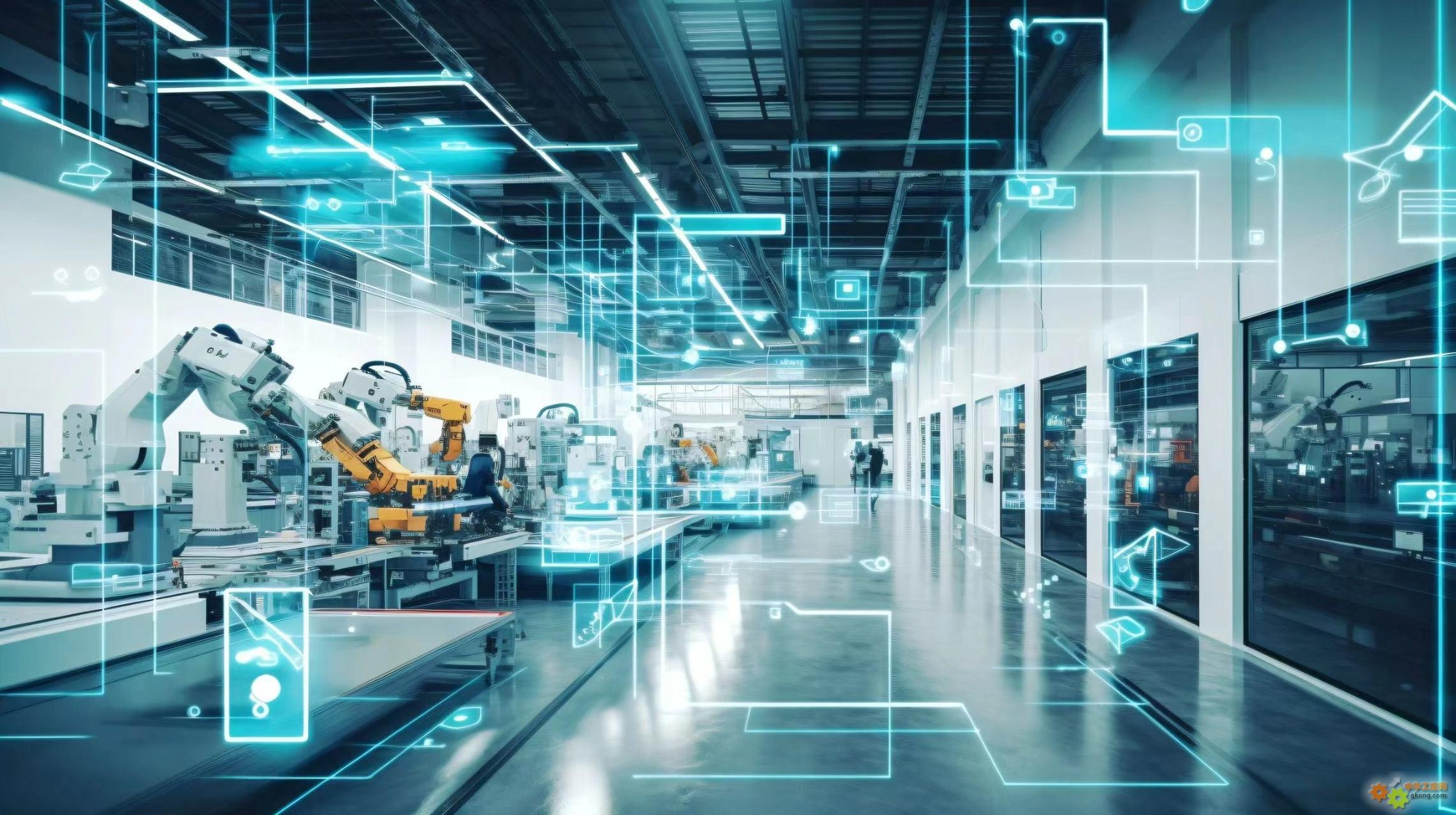
Modern smart manufacturing has shifted from standalone operation to digital collaborative production. Industrial networks connect robots, PLCs, CNC machines, sensors and MES systems. Network stability, real-time performance and security are critical to production efficiency. As key industrial network devices, managed industrial switches deliver reliable, safe and intelligent network transmission for automated production lines.
Ⅰ. Harsh Environment Adaptation & Efficient Remote O&M
Commercial switches are unable to adapt to complex factory environments, often causing network failures and production halts. Managed industrial switches solve this problem effectively:
Industrial-grade durability: Support -40℃~+85℃ wide temperature operation, with dustproof, vibration-resistant and anti-electromagnetic interference features, supporting 7×24-hour stable operation.Visual remote troubleshooting: Quickly locate IP conflicts and abnormal terminals, remotely disable faulty ports, and greatly reduce manual maintenance and fault recovery time.
Ⅱ. 20ms Millisecond-level Self-healing, Zero Production Interruption
Automated production lines are highly interconnected. Single-point network faults may lead to full-line shutdowns. Managed switches ensure continuous production:
Fast network redundancy: Adopt RSTP and ERPS industrial protocols, achieving network self-healing within 20ms. It automatically switches to standby links with imperceptible service switching.Flexible scalable networking: Support VLAN traffic isolation and modular network management, enabling flexible network expansion to match factory capacity upgrading and intelligent transformation.
Ⅲ. Multi-dimensional Isolation & Full Industrial Network Security
The interconnection of factory equipment, control and management networks brings potential security risks. Managed switches build a complete security protection system:
Security isolation: Realize logical isolation of production, monitoring and office networks via VLAN, port control, MAC binding and ACL rules, blocking illegal access and abnormal traffic.Real-time traffic monitoring: Useport mirroring to capture and analyze full network data, identify abnormal behaviors, and support industrial control security auditing and risk detection to upgrade OT network security.
Ⅳ. Conclusion
Managed industrial switches effectively fix the defects of traditional industrial networks, including poor stability, insufficient security, difficult maintenance and limited scalability. With extreme environmental adaptability, millisecond-level self-healing and refined security management, they guarantee stable, efficient and safe operation of smart production lines, serving as essential network infrastructure for industrial digital and intelligent upgrading.


